Creative Testing
AI-moderated creative testing that shows what’s really landing
Get rapid, human feedback on creative performance — first impressions, resonance, and clarity — so you can refine and optimize for what converts.









Run the creative studies that de-risk campaigns
First-Impression Tests
Capture what grabs attention, how it feels in the first seconds, and what people think it’s about with timed stimuli.
Emotional Resonance & Brand-Fit Checks
Explore how the creative makes people feel, whether it aligns with brand meaning, and what feels off.
Messaging Clarity Studies
Validate whether the intended message is what people actually take away — and where interpretation drifts.
The advantages of AI-moderated creative testing
Creative timelines are tight, but you still need depth to understand why something hits or misses.
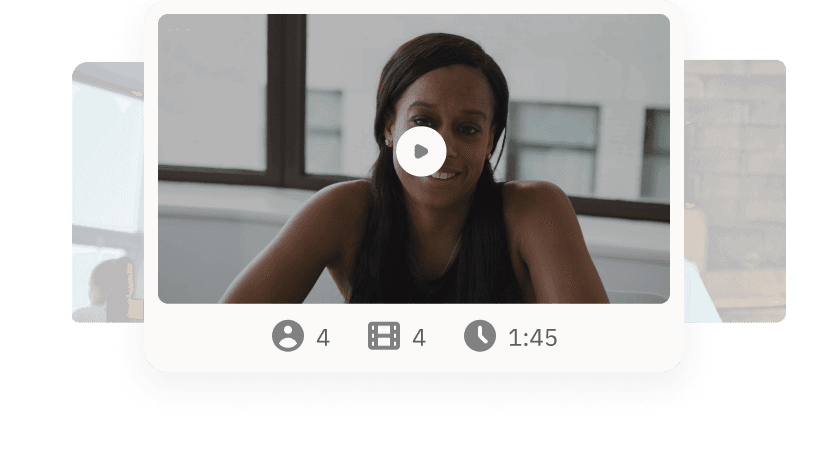
AI moderation makes it easy to gather many consistent reactions quickly, probing naturally to uncover misreads, emotional drivers, and persuasion gaps.
With fast synthesis, teams can iterate routes in days and launch with more confidence.

Built for sharper creative decisions
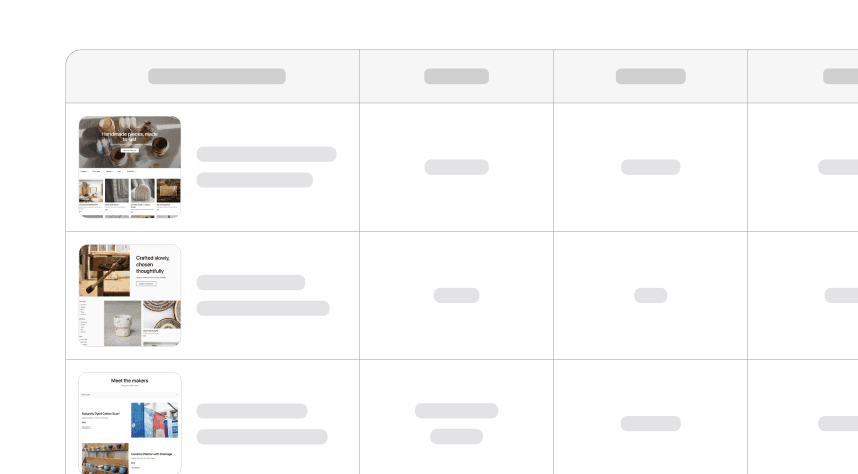
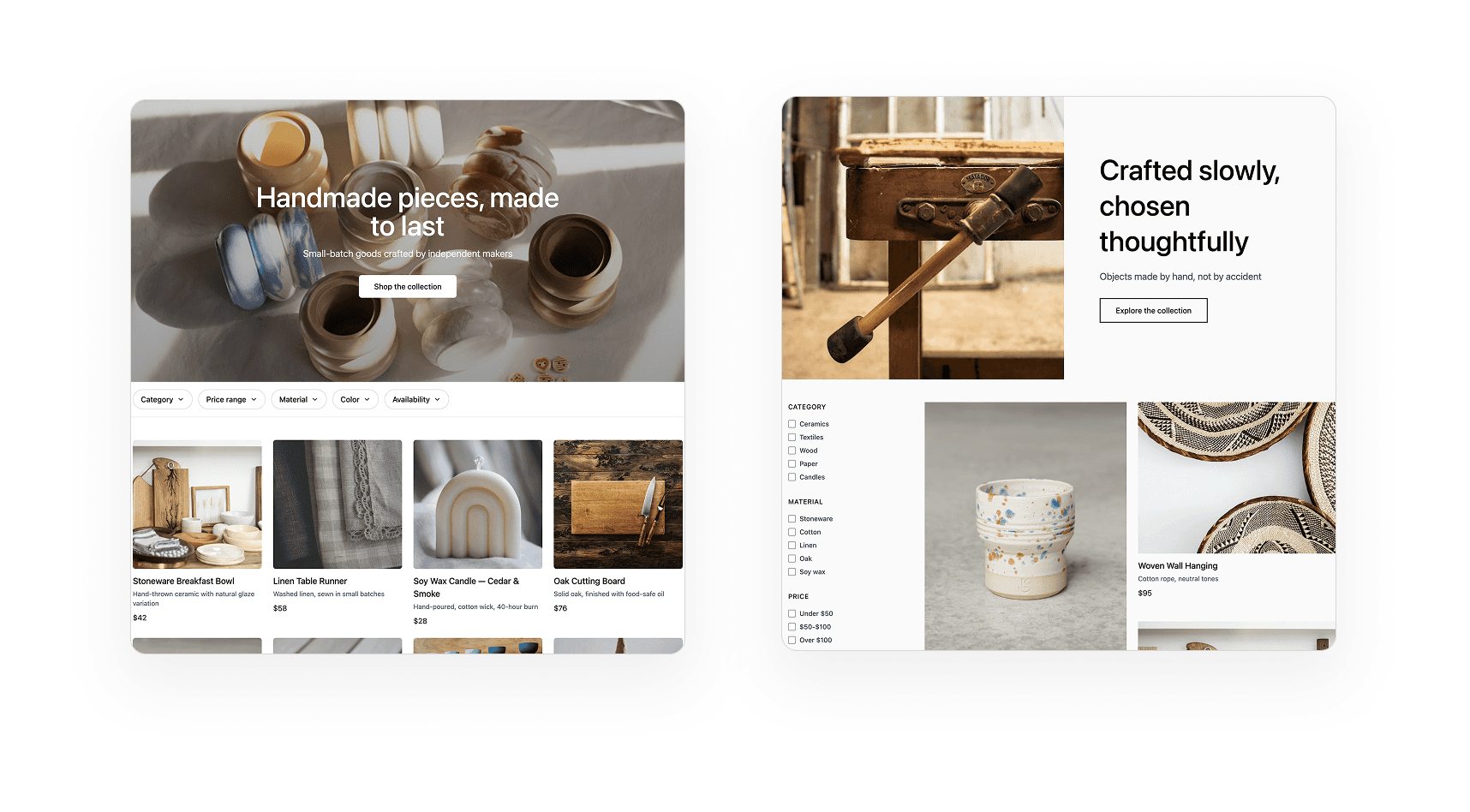
Monadic Testing
Get clean, unbiased solo reactions to each route before comparison bias kicks in.
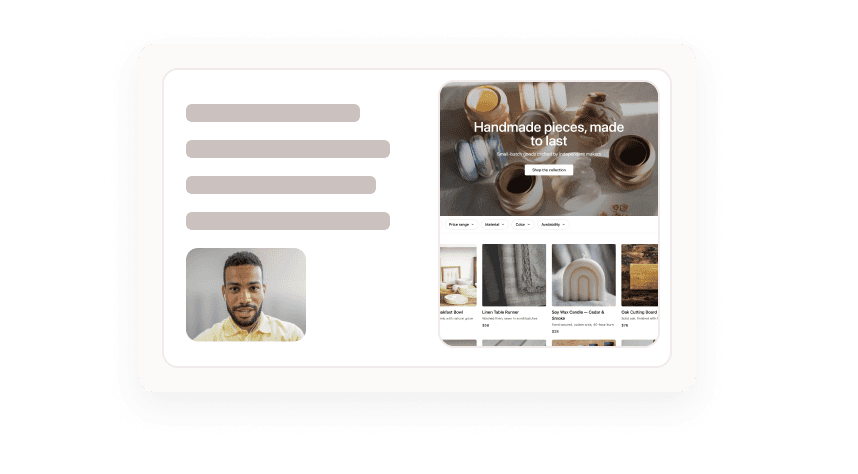
Protomonadic Testing
Combine monadic depth with an end-comparison to separate close routes and surface preference drivers.
Custom & Dynamic Probing
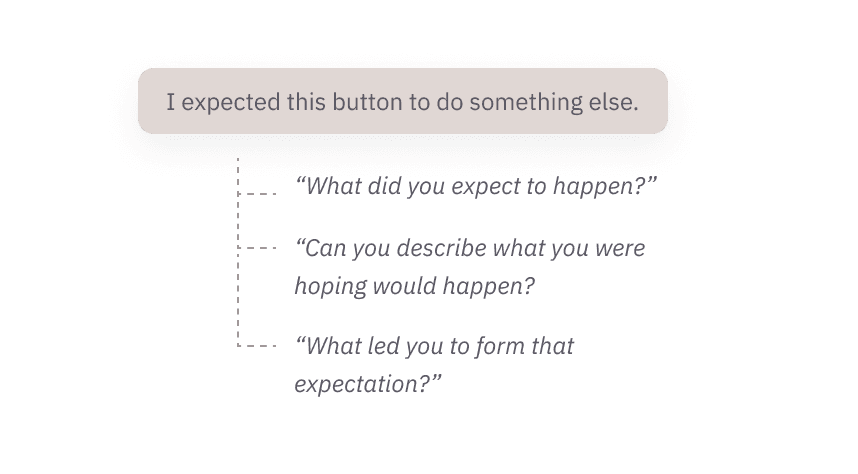
AI intelligently and dynamically follows up in the moment to unpack feelings, interpretation, and confusion.
Emotional Intelligence
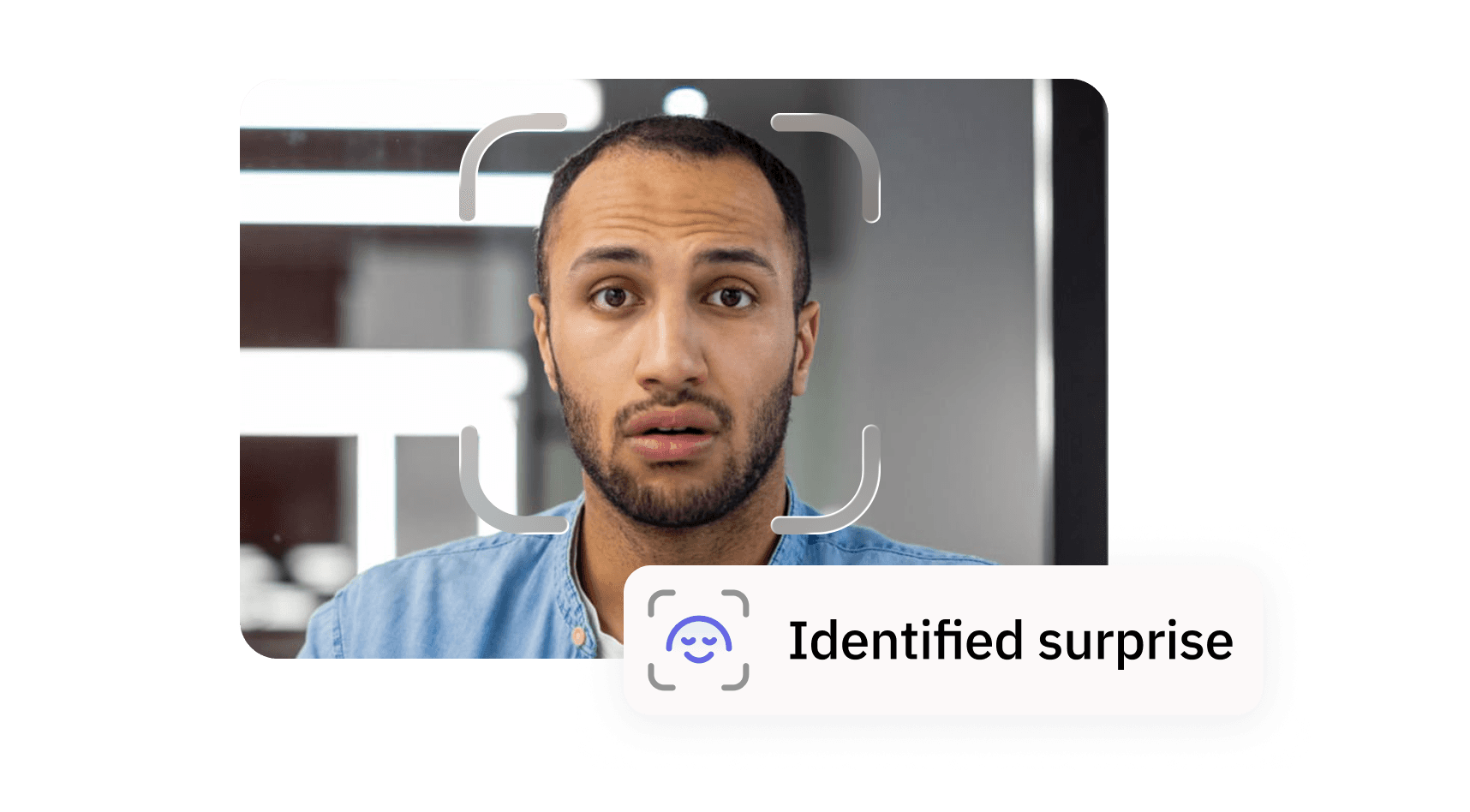
Understand which creatives land (and which fall flat) by bridging the gap between what people say and what their facial reactions and intonation indicate.
AI-moderated creative testing FAQs
Answers to common questions about how AI can help with creative testing.
What is AI-moderated creative testing?
AI-moderated creative testing uses artificial intelligence to conduct in-depth qualitative research on ads, messaging, and brand assets. Instead of a human moderator, AI guides respondents through open-ended questions, follow-ups, and probes in real time — capturing first impressions, emotional reactions, and clarity at scale. This approach delivers faster, more consistent creative testing insights without sacrificing depth.
How does AI creative testing differ from traditional creative testing research?
Traditional creative testing research often relies on scheduled focus groups, surveys, or moderated interviews, which can be time-consuming and inconsistent. AI creative testing automates moderation and probing, allowing teams to run monadic, protomonadic, or comparative creative testing studies in days, not weeks, while maintaining consistent questioning and comparable results across concepts.
What types of creative can be evaluated using creative testing solutions like Outset?
Creative testing solutions like Outset can evaluate a wide range of assets, including digital ads, video, static imagery, landing pages, messaging frameworks, brand campaigns, and early-stage concepts. Teams commonly use AI-moderated creative testing to assess first impressions, messaging clarity, emotional resonance, brand fit, and preference drivers before launch.
When should teams use AI-moderated creative testing in the campaign lifecycle?
AI-moderated creative testing is valuable at multiple stages, from early concept testing and validation to final execution selection. Many teams use it during pre-production to de-risk ideas, mid-development to refine messaging and visuals, and pre-launch to select winning routes. Because AI creative testing is fast and scalable, it supports continuous optimization rather than one-off research.
Who benefits most from creative testing with AI moderation?
Marketing, brand, growth, and insights teams benefit most from AI-moderated creative testing, especially when timelines are tight and decisions carry high risk. Creative testing with AI helps teams move beyond surface-level metrics to understand why something resonates or misses, making it easier to align creative, stakeholder, and performance goals.