Travel & Hospitality
AI-moderated research for travel and hospitality
Run scalable interviews across booking, in-trip, and post-trip experiences to uncover what drives conversion, loyalty and trust with AI research for travel and hospitality.













Built for modern travel and hospitality teams
Designed for customer insights, revenue management, digital product, loyalty, and operations leaders using AI in travel and hospitality to better understand evolving consumer expectations.
Multilingual Research at Global Scale
Conduct AI-moderated interviews in multiple languages to understand international markets without separate fieldwork teams, powering deeper travel customer experience research across global audiences.
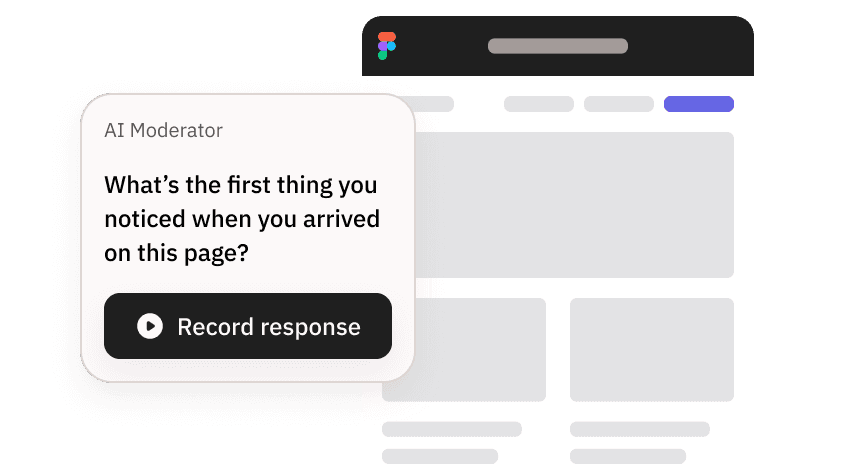


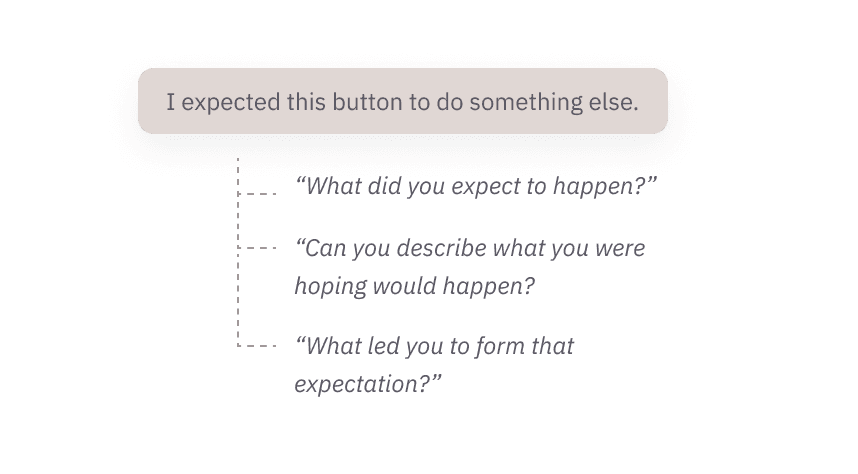
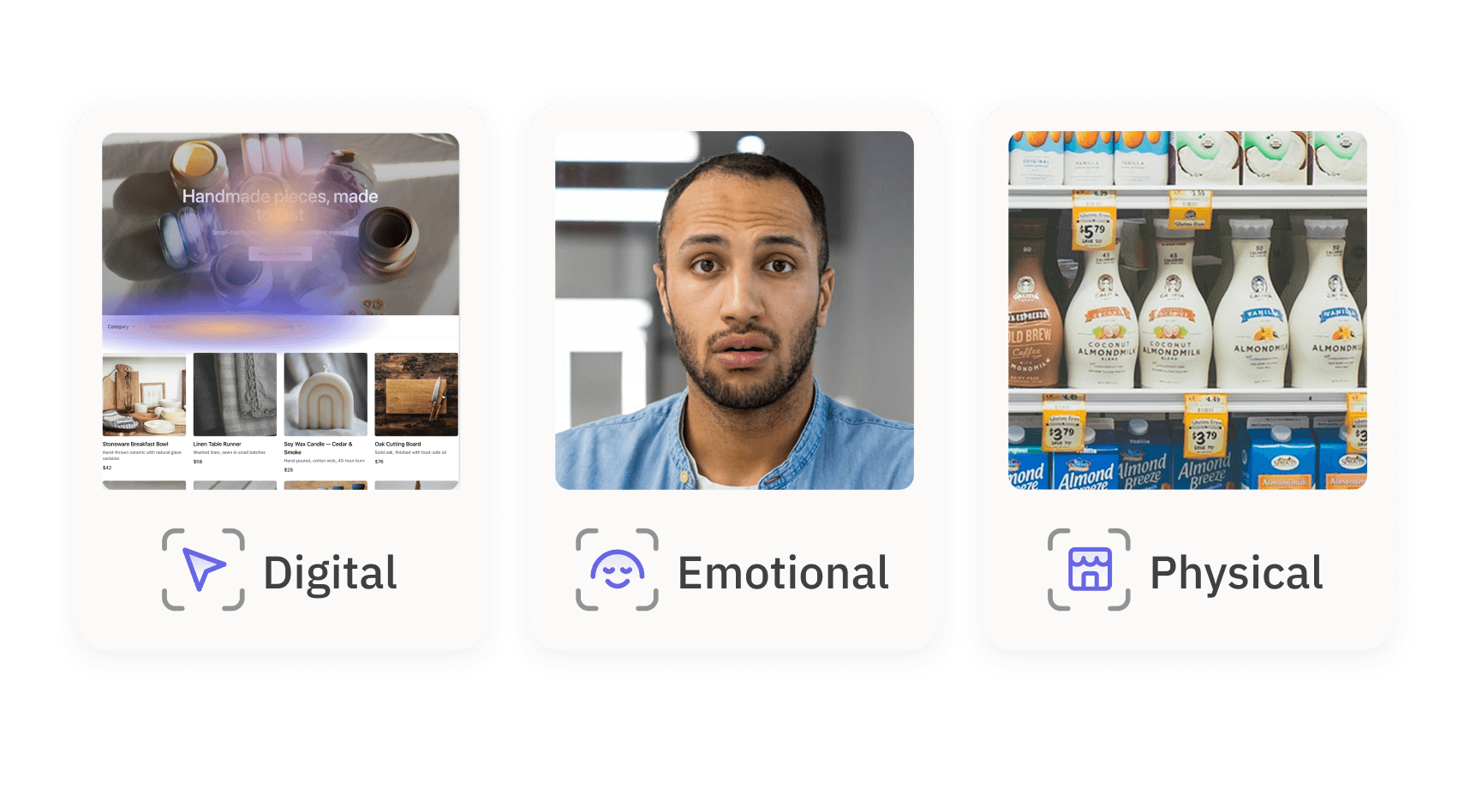
Competitive advantage across the research lifecycle
AI-moderated research helps teams align pricing, product, and operations decisions around real traveler behavior from search to post-trip feedback.
Validate Demand Early
Test new routes, packages, bundles, or loyalty benefits before making large investments.
Travel and hospitality research use cases
Use AI-moderated research for qualitative insights that keep pace with modern travel.
Booking Funnel Optimization
Evaluate search filters, merchandising, price displays, cancellation messaging, and payment flows to improve search-to-book conversion.
Disruption & Delay Experience
Test delay notifications, compensation messaging, and rebooking flows to improve service recovery and reduce negative sentiment.
Ancillary & Upsell Strategy
Understand how travelers perceive baggage fees, seat selection, upgrades, insurance, and bundles before launch.
Loyalty & Personalization
Explore how tier benefits, status progression, and personalized offers influence direct booking and repeat behavior.
Built for security, compliance, & sensitive data
Run deep, rapid qualitative research across markets without compromising on security.

Travel, mobility, and hospitality research FAQs
Get quick answers about how AI research for travel and hospitality helps teams uncover deeper traveler insights and improve experiences at scale.
What is AI research for travel and hospitality?
AI research for travel and hospitality uses AI-moderated interviews, automated analysis, and visual intelligence to understand traveler behavior across the entire journey. It supports both market research (e.g., demand, segmentation, pricing) and user research (e.g., UX, booking flows, in-app experiences) in a single platform like Outset.
What are the benefits of AI-driven customer experience in travel?
AI-driven customer experience in travel helps teams uncover emotional and behavioral insights at scale, combining user research depth with market research breadth. Visual intelligence adds another layer by capturing how travelers interact with interfaces, leading to better personalization, higher conversion rates, and improved satisfaction.
Who uses AI research platforms in travel and hospitality?
AI research for travel and hospitality is used by customer insights teams, product managers, marketers, and operations leaders. Roles such as consumer insights professionals and market researchers rely on AI to scale qualitative research and inform strategic decisions.
How is AI used in travel and hospitality research?
AI for hospitality and travel is used to automate interviews, analyze open-ended responses, and apply visual intelligence to evaluate digital experiences like booking flows and trip management tools. This enables both market research and user research teams to quickly identify friction points and optimize traveler experiences.
How can travel companies improve customer experience with AI research?
Travel companies can improve customer experience by using AI to test booking journeys, evaluate disruption messaging, and understand traveler expectations across segments. With tools designed for market research, teams can continuously iterate on experiences based on real user feedback.
Can AI replace traditional travel market research methods?
AI does not fully replace traditional research but significantly enhances it. By combining AI-moderated interviews with human expertise, teams can run more studies, reach global audiences, and uncover deeper insights faster, making research more agile and impactful.