Digital intelligence
Monitor participant screens — tracking clicks, hovers, navigation paths, and friction points — then probe automatically based on observations, helping you build the best product experience.












The all-in-one Digital Intelligence platform by Outset
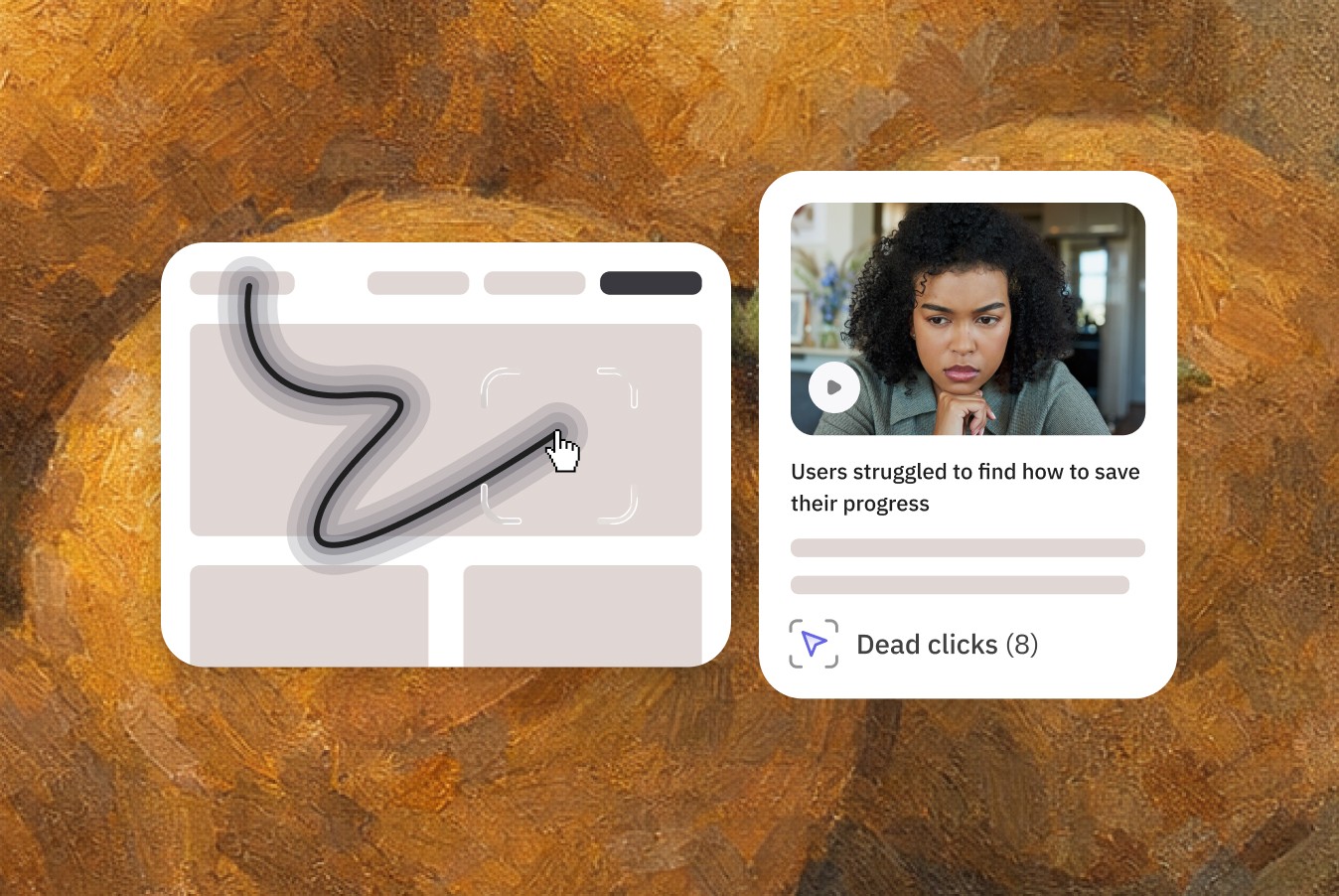
Outset brings together advanced Digital Intelligence tools into a unified experience, enabling teams to capture, analyze, and act on user behavior at scale.
Silent Observer
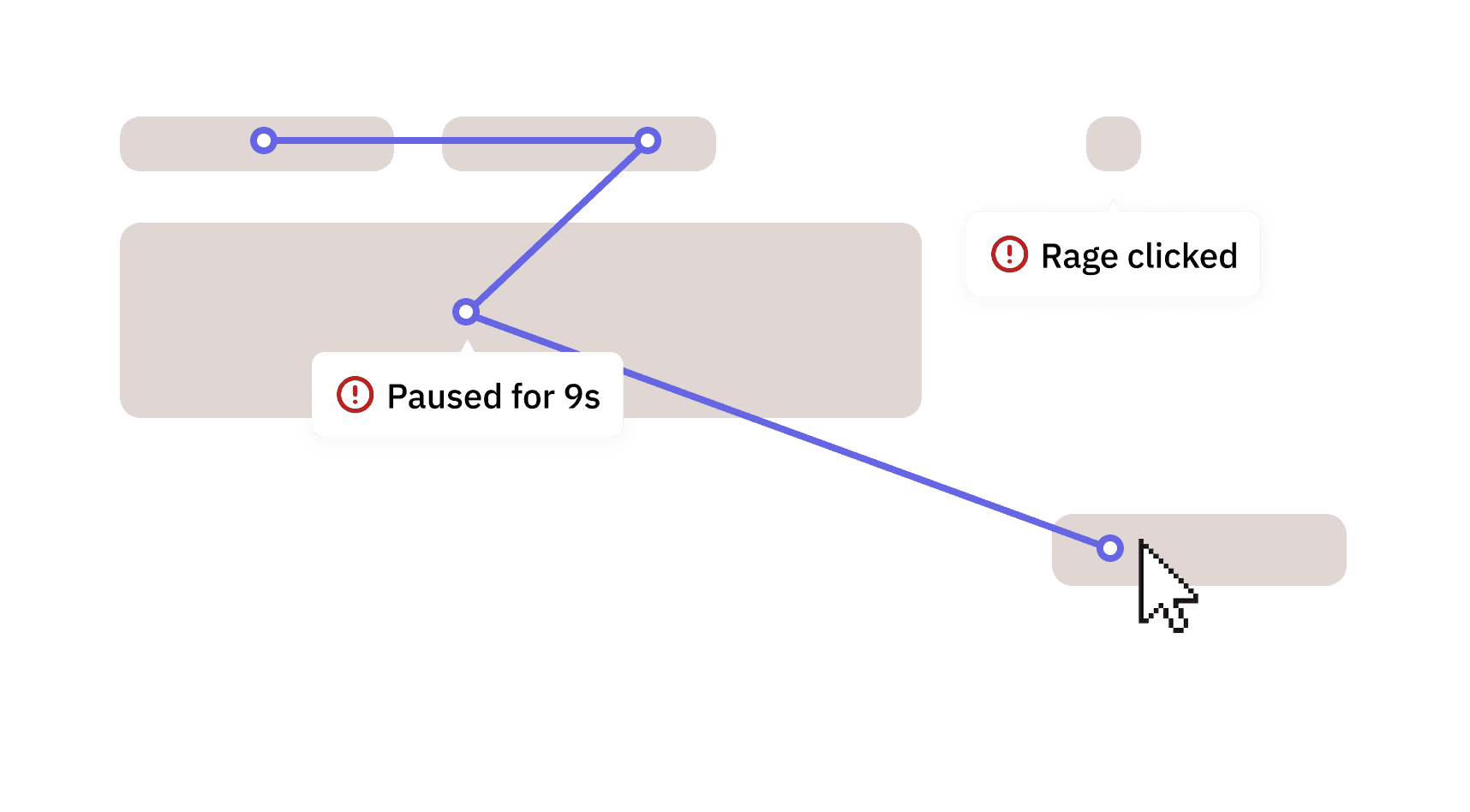
A real-time AI agent watches every usability session, detecting and ranking moments of user confusion or friction — dead clicks, backtracking, hesitation, and more.
Intelligent Probing
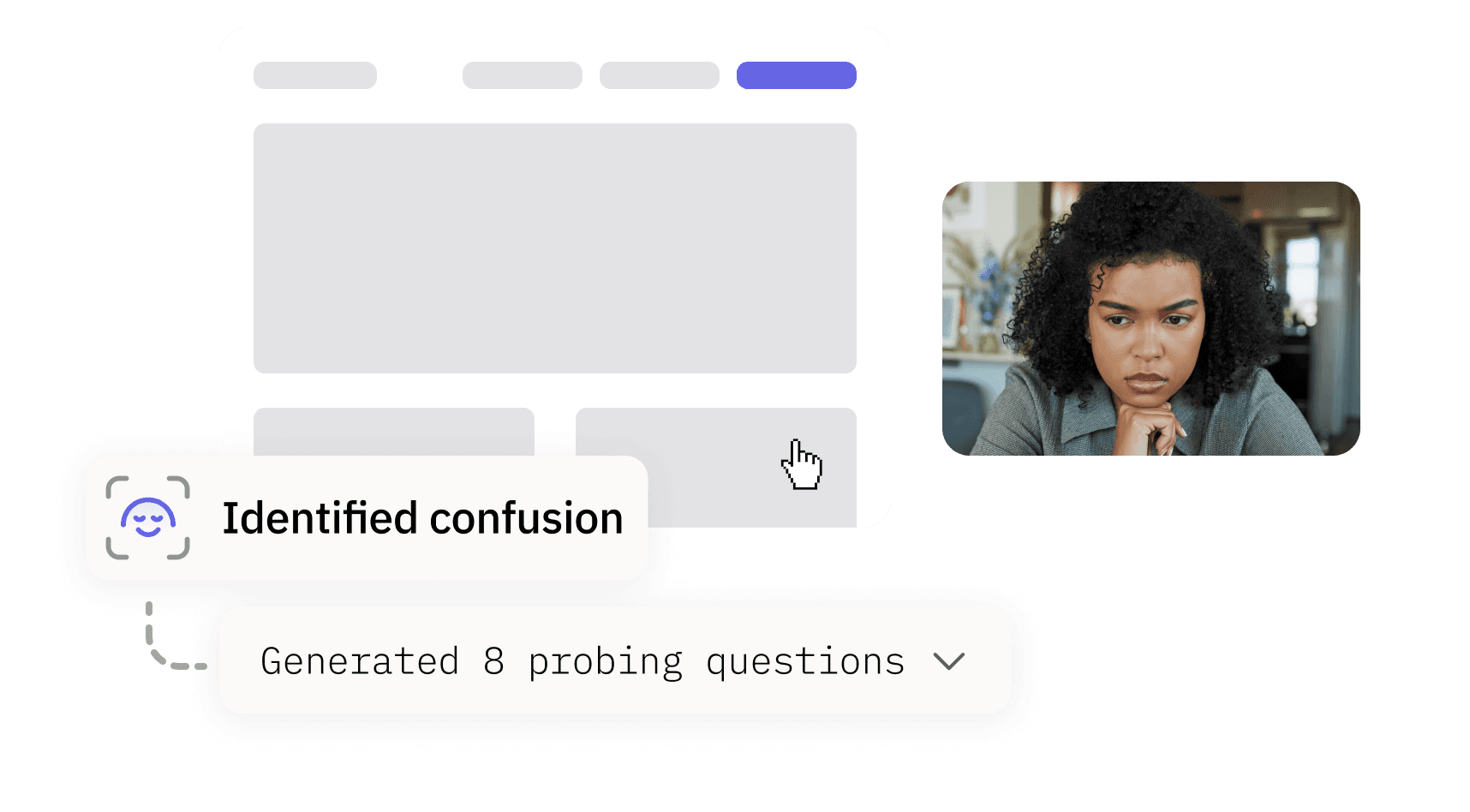
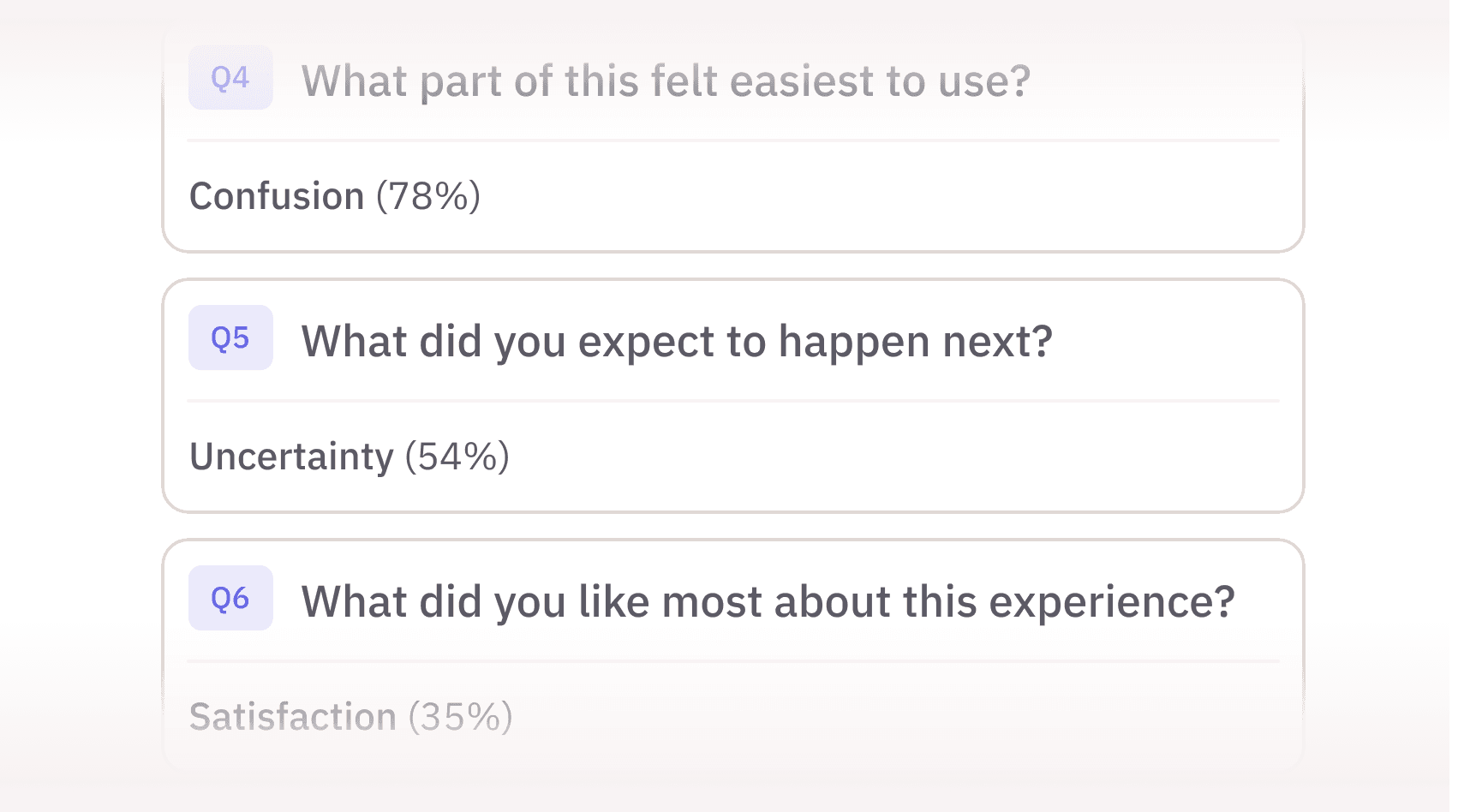
Ask targeted follow-up questions right after each task, probing participants on specific moments they experienced — not generic follow-ups.
Automated Behavioral Analysis
Get a comprehensive report with digital observations automatically organized. No manual video review required.
Observed vs. Self-Reported Completion
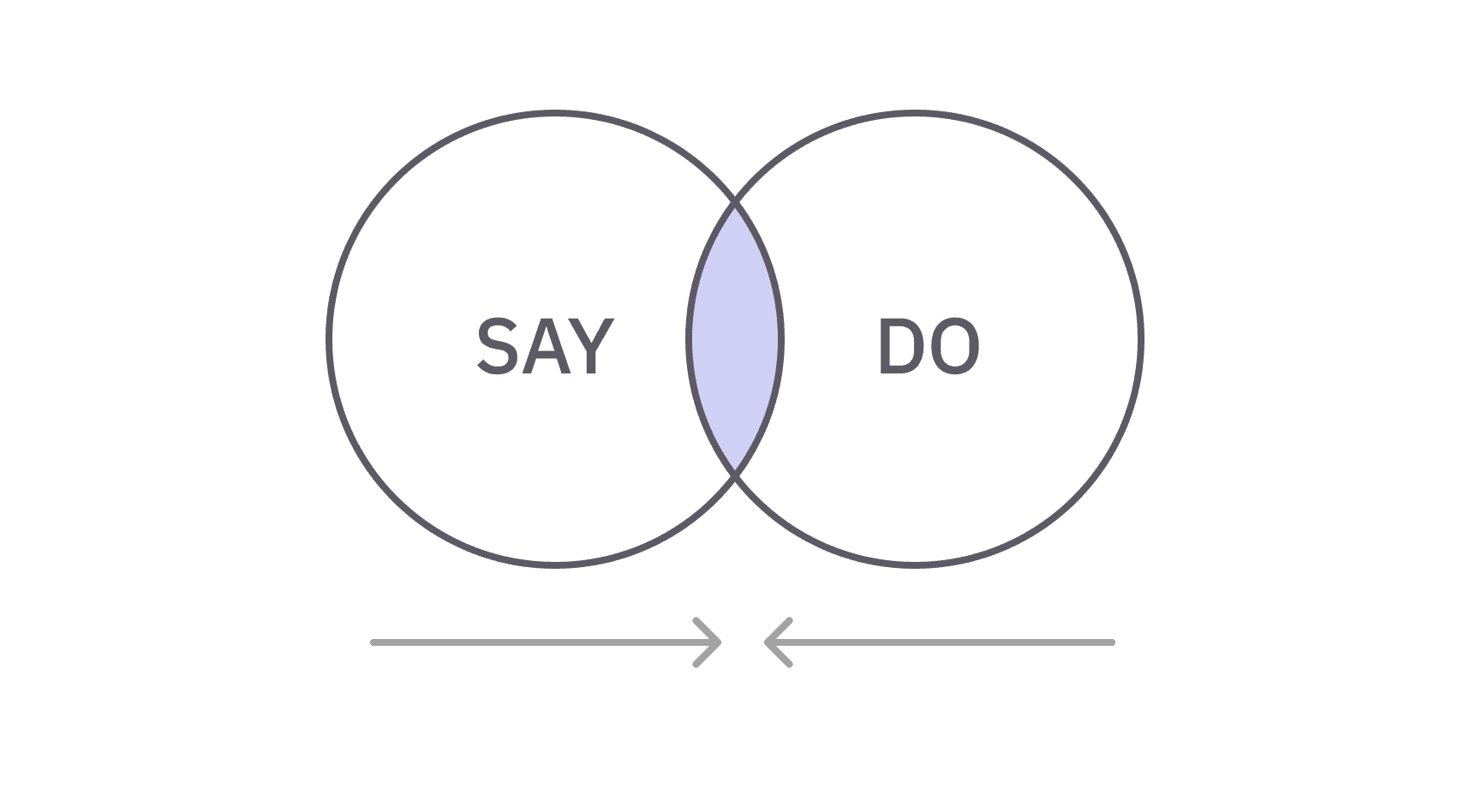
Compares what participants say they did with what the AI actually observed — surfacing the gap between perceived and real task completion.
The advantage of
Outset's Digital Intelligence platform
Depth That Scales
Preserve the nuance of 1:1 usability studies, at scale with advanced Digital Intelligence solutions. Identify cognitive overload, flow discontinuities, and ambiguous UI elements across every participant.
Built for the studies that happen digitally
Outset’s Digital Intelligence platform is built for any research where understanding on-screen behavior matters.

Test Your Own Product
Run usability studies on your live product or prototype and automatically surface where users get lost, what they click on that doesn’t work, and where they abandon tasks.

Test Competitor Products
Send participants through a competitor’s flow and let the Digital Intelligence AI observe where they struggle or succeed, for deep competitive intel.

Validate Designs Before They Ship
Catch usability issues in Figma prototypes before investing in development — with AI-ranked observations that tell you what to fix first.

Track Usability Over Time
Benchmark task completion and friction points across releases to see whether changes are actually improving user experience.
Digital Intelligence FAQs
Explore common questions about Digital Intelligence, how it works, and how teams use AI-powered insights to better understand user behavior and improve digital experiences.
What is Digital Intelligence?
Digital Intelligence refers to the ability to capture, analyze, and interpret real user behavior across digital experiences. Instead of relying only on what users say, AI Digital Intelligence observes what users actually do. This includes tracking clicks, navigation paths, and friction points to generate deeper, more accurate insights.
How does Digital Intelligence research improve usability testing?
Digital Intelligence research enhances usability testing by combining behavioral observation with automated analysis. It surfaces moments of confusion, hesitation, and drop-off in real time, allowing teams to understand not just outcomes, but the reasons behind user behavior, without manually reviewing hours of recordings.
What are Digital Intelligence platform tools used for?
Digital Intelligence platform tools are used to track user interactions, identify usability issues, and generate actionable insights from digital experiences. These tools help teams test products, evaluate prototypes, benchmark performance over time, and uncover hidden friction points that impact user satisfaction and conversion.
How does AI Digital Intelligence differ from traditional research methods?
AI Digital Intelligence goes beyond traditional AI-moderated research by automatically capturing and analyzing behavior as it happens. While traditional AI-moderated methods rely heavily on self-reported feedback and manual review, AI-powered approaches provide continuous, objective insights, reducing bias and dramatically accelerating time to insight.
How does Digital Intelligence connect to Visual Intelligence?
Digital intelligence is a key component of Visual Intelligence, which focuses on understanding human behavior through observed interactions. While Digital Intelligence captures on-screen behavior, Visual Intelligence expands this by combining behavioral, contextual, and emotional signals. This creates a more complete picture of how users experience products and interfaces.
What should you look for in a Digital Intelligence solution?
When evaluating a Digital Intelligence solution, look for capabilities like real-time behavioral tracking, automated insight generation, and AI-powered analysis. The best solutions go beyond basic analytics to combine observation, context, and intelligent probing, helping teams quickly understand user behavior, identify friction points, and make confident product decisions at scale.